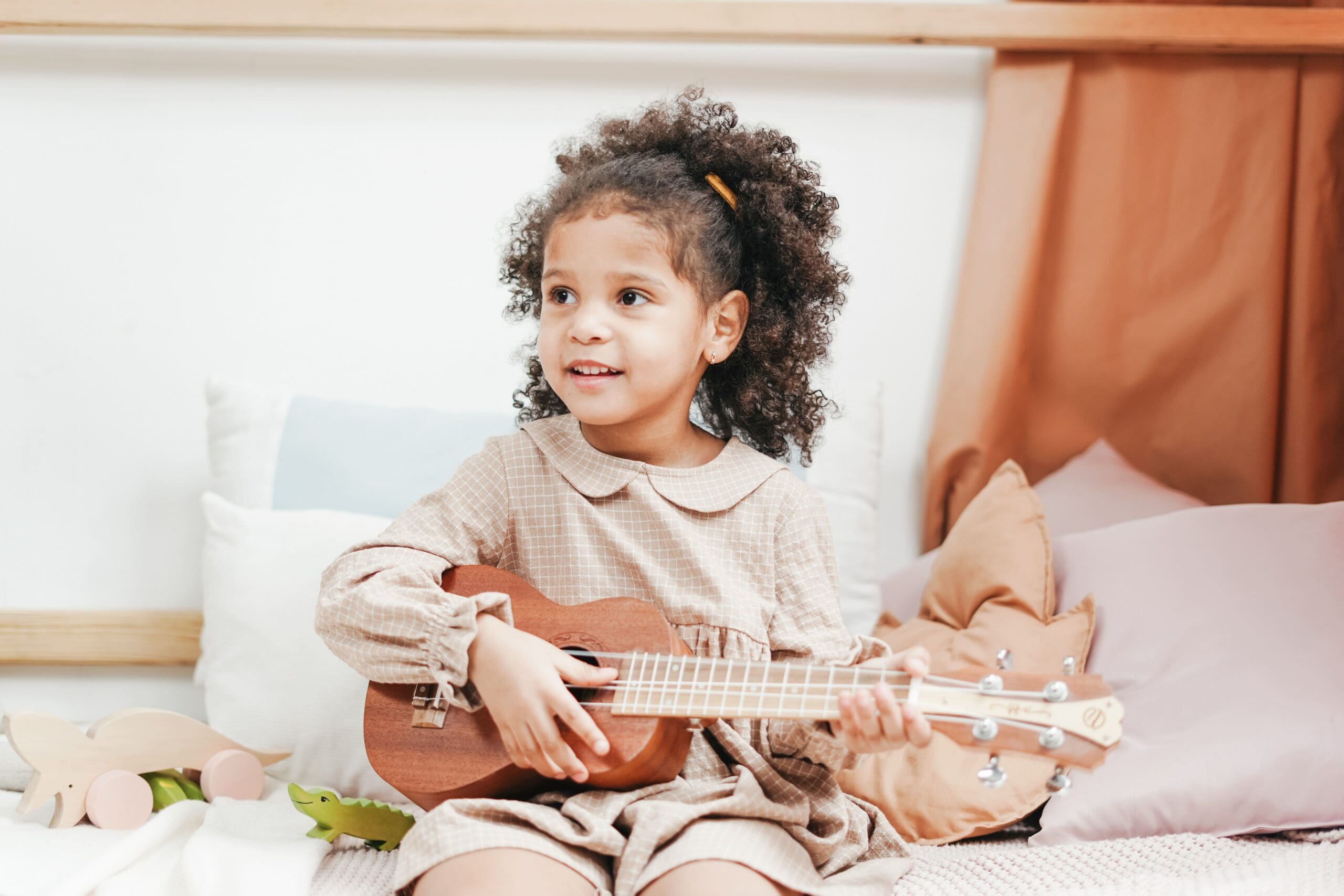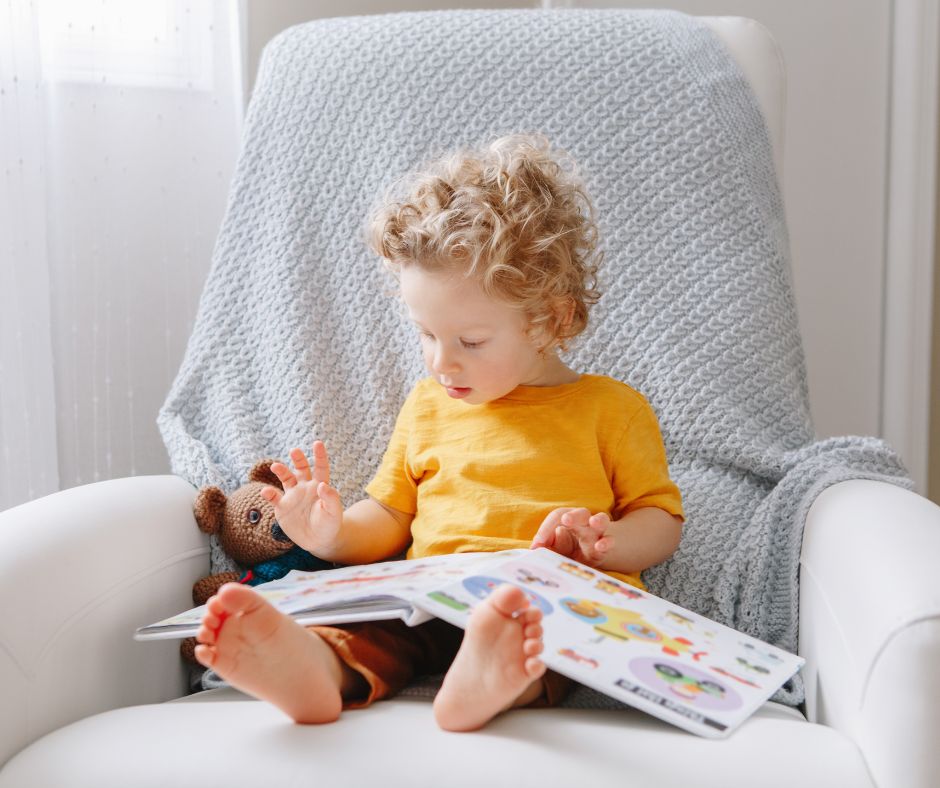
A play-based pre-K curriculum gives children meaningful opportunities to build the skills they will need for a confident transition into kindergarten. Through purposeful play, young learners strengthen communication, problem-solving, cooperation, creativity, and early academic understanding in ways that feel natural and engaging.
Activities such as imaginative role-play, block building, art, storytelling, and hands-on exploration encourage children to ask questions, make choices, and learn from experience. This approach supports the whole child by promoting social, emotional, physical, and cognitive development. As a result, children enter kindergarten with greater independence, curiosity, resilience, and readiness to participate in a structured learning environment.
How a Play-Based Curriculum Builds Kindergarten Readiness Skills
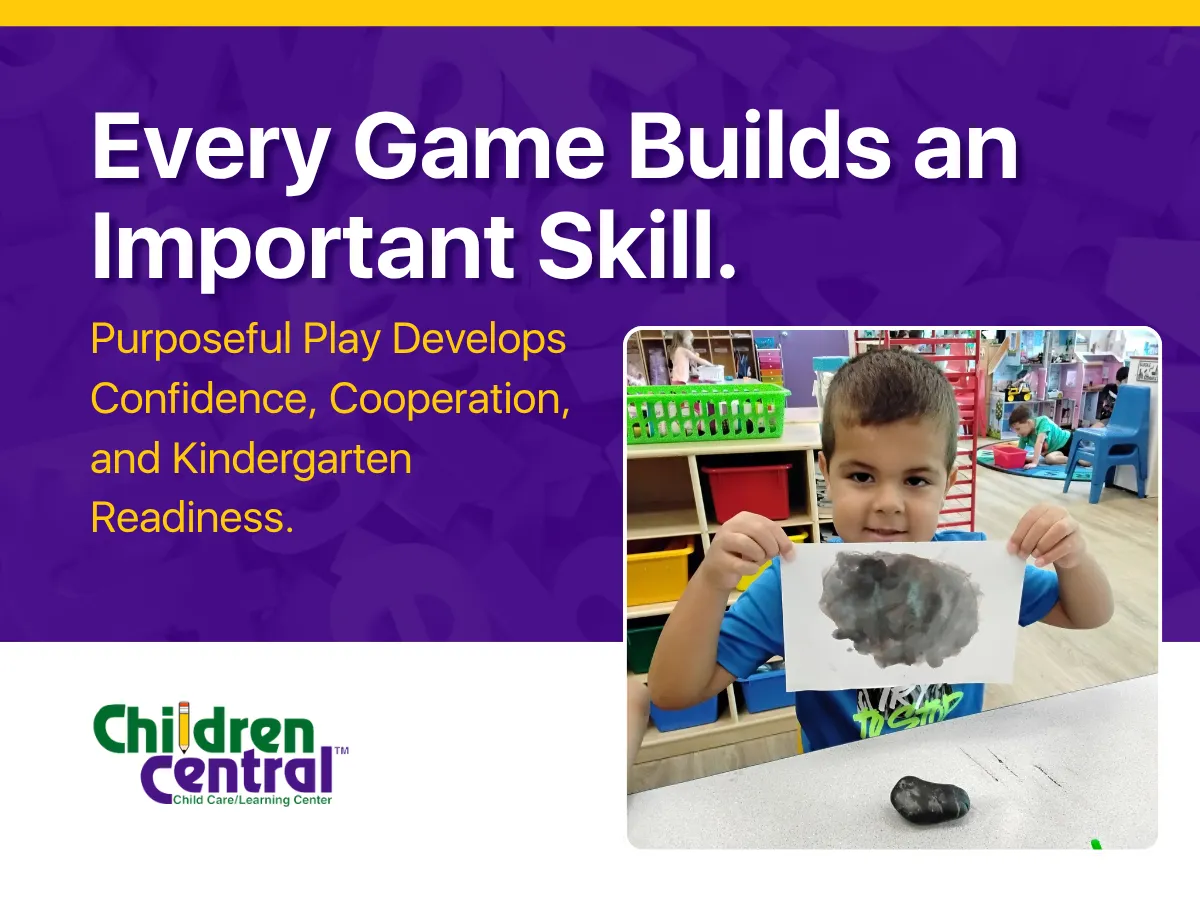
A thoughtfully designed play-based curriculum helps children develop the kindergarten readiness skills they need through active, meaningful experiences. Instead of relying only on formal instruction, children learn by exploring materials, solving problems, interacting with others, and making choices. These experiences support academic growth while also strengthening the social, emotional, and practical skills required in a kindergarten classroom.
Developing Independence and Confidence
During play, children are encouraged to make decisions, complete tasks, and take responsibility for their ideas. They may choose materials for an art project, decide how to build a structure, or organize a pretend play scenario with classmates. These opportunities help children become more confident in their abilities.
Independence also develops as children practice everyday routines, including:
- Putting away materials after an activity
- Managing personal belongings
- Selecting resources for a task
- Asking for help when needed
- Moving between activities with greater confidence
These habits prepare children to manage the increased responsibilities and routines of kindergarten.
Strengthening Communication and Cooperation
Play creates natural opportunities for children to express their thoughts, listen to others, and work together. Collaborative activities such as block building, dramatic play, and group games encourage children to explain ideas, negotiate roles, and solve disagreements respectfully.
Through these interactions, children build vocabulary, improve listening skills, and learn how to participate in a group. They also begin to understand different perspectives, which supports positive relationships with teachers and classmates.
Building Focus, Resilience, and Problem-Solving Skills
Play-based learning encourages children to stay engaged with an activity, test ideas, and try again when something does not work as expected. A child completing a puzzle, constructing a tower, or creating a pattern must use concentration and flexible thinking.
These experiences help children develop patience and resilience. They learn that mistakes are part of the learning process and that challenges can be approached in different ways. This foundation supports children as they enter kindergarten and begin participating in more structured academic activities.
Pre-K Learning Activities That Support Early Development
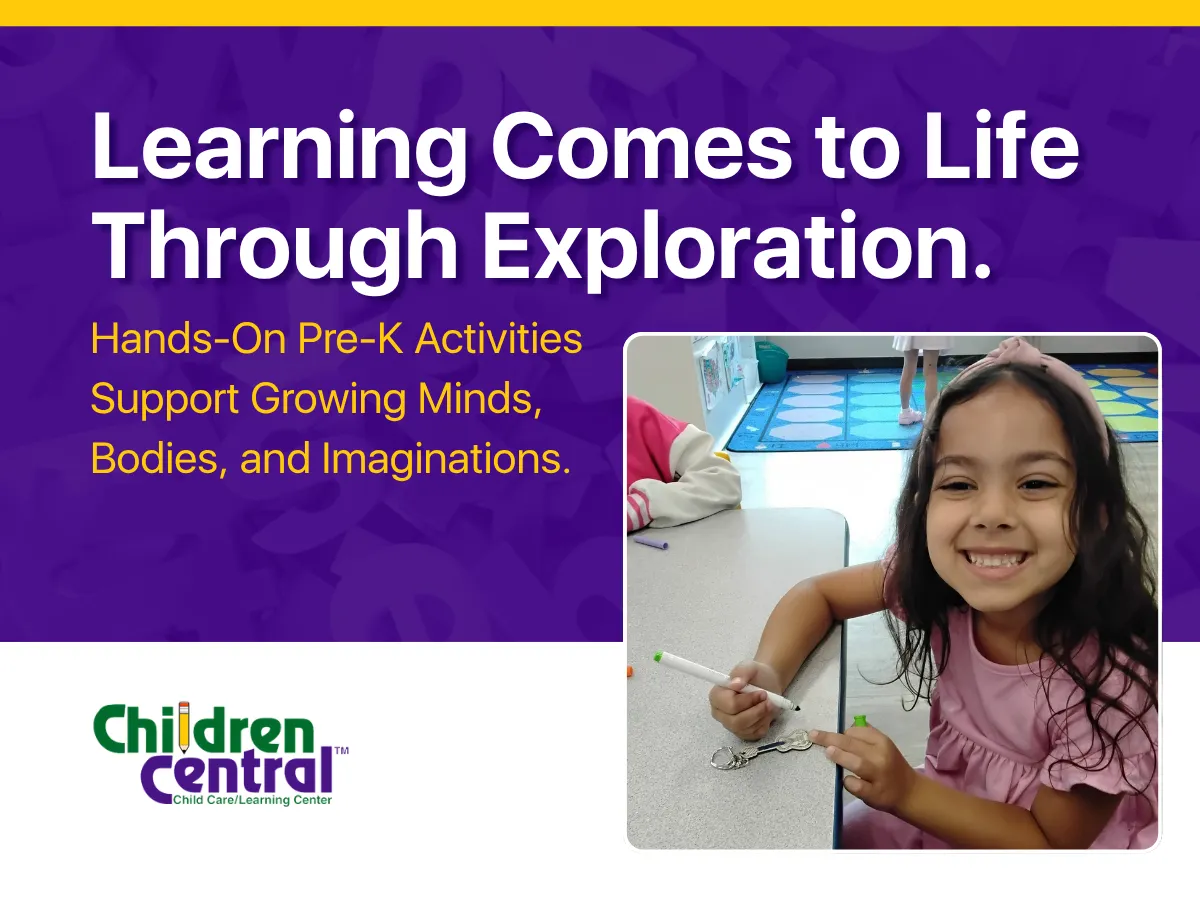
Effective pre-k learning activities give children opportunities to explore ideas, practice new skills, and make meaningful connections through hands-on experiences. In a play-based setting, activities are carefully planned to support cognitive, physical, social, emotional, and language development while allowing children to remain active participants in their learning.
Imaginative and Role-Play Experiences
Dramatic play encourages children to recreate familiar situations, experiment with different roles, and develop their understanding of the world. A pretend shop, restaurant, doctor’s office, or home environment can support vocabulary growth, cooperation, early writing, counting, and problem-solving.
As children decide who will take each role and how the play will develop, they practice communicating clearly, listening to others, and responding to different ideas. These experiences also help children understand emotions, relationships, and everyday routines.
Building, Sorting, and Problem-Solving Tasks
Construction materials, puzzles, loose parts, and sorting activities support early mathematical thinking and reasoning. Children may compare block sizes, arrange objects by color, create repeating patterns, or test ways to make a structure more stable.
These activities encourage children to:
- Recognize shapes, numbers, patterns, and quantities
- Develop spatial awareness
- Test ideas and make adjustments
- Improve concentration and persistence
- Use language to explain their thinking
The focus is not only on reaching a correct result. Children also learn from the process of planning, experimenting, and trying again.
Art, Music, Movement, and Sensory Exploration
Creative activities allow children to express ideas in different ways. Painting, modeling, dancing, singing, and exploring sensory materials support imagination while strengthening fine and gross motor skills.
Open-ended art experiences encourage children to make choices about colors, tools, textures, and materials. Music and movement help develop rhythm, coordination, memory, and listening skills. Sensory play can also support descriptive language as children discuss how materials look, feel, move, and change.
Together, these varied learning experiences help children build a broad foundation for future learning while respecting their individual interests, abilities, and stages of development.
Play-Based Learning Benefits for the Whole Child
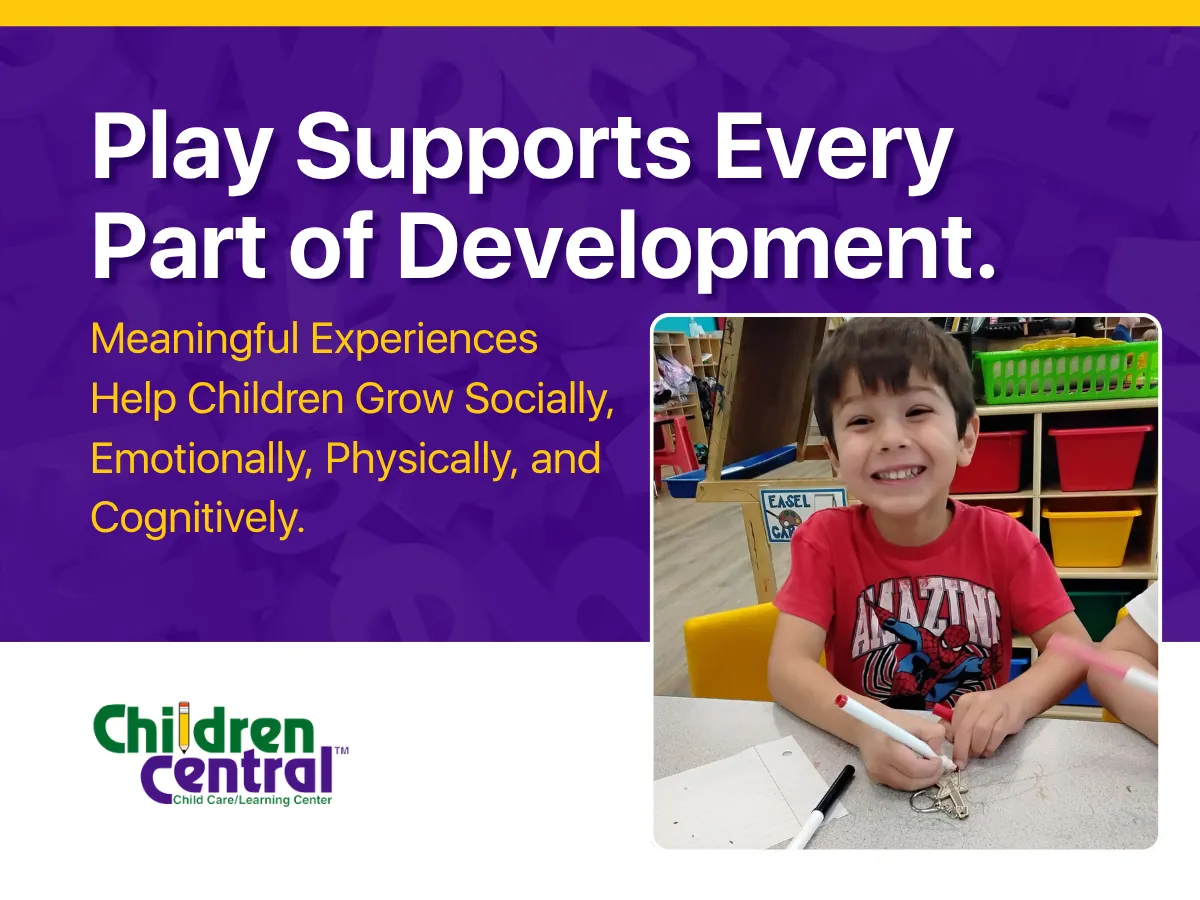
The play-based learning benefits experienced during pre-k extend beyond early academic knowledge. Purposeful play supports the whole child by creating opportunities for social, emotional, physical, cognitive, and creative development. Children gain important skills through experiences that feel engaging, relevant, and connected to their natural curiosity.
Supporting Social and Emotional Growth
Play allows children to explore emotions, form relationships, and understand how their actions affect others. When children participate in shared activities, they learn to take turns, negotiate, listen, and contribute to a group.
Pretend play can also help children process familiar experiences and practice responding to different situations. For example, acting out a classroom routine or family scenario may help a child develop empathy and express feelings more confidently.
Through supportive guidance, children begin to develop:
- Emotional awareness
- Self-control
- Confidence in social situations
- Respect for different perspectives
- Positive conflict-resolution skills
These abilities are essential for building healthy relationships and participating successfully in a classroom community.
Promoting Physical Development
Active play strengthens the physical skills children need for daily routines and future classroom activities. Running, climbing, balancing, dancing, and playing with outdoor equipment support coordination, strength, and body awareness.
Fine motor skills develop through activities such as drawing, threading, cutting, using play dough, completing puzzles, and handling small objects. These experiences prepare children for tasks including writing, fastening clothing, using utensils, and managing learning materials independently.
Building Curiosity, Creativity, and Resilience
Open-ended play encourages children to ask questions, investigate possibilities, and develop original ideas. Because there may be several ways to use a material or solve a problem, children learn to think flexibly rather than wait for a single correct answer.
Play also gives children safe opportunities to experience manageable challenges. A structure may fall, a puzzle may take several attempts, or a group plan may need to change. With encouragement, children learn to remain patient, adapt their approach, and continue trying.
Developing Early Literacy Through Purposeful Play
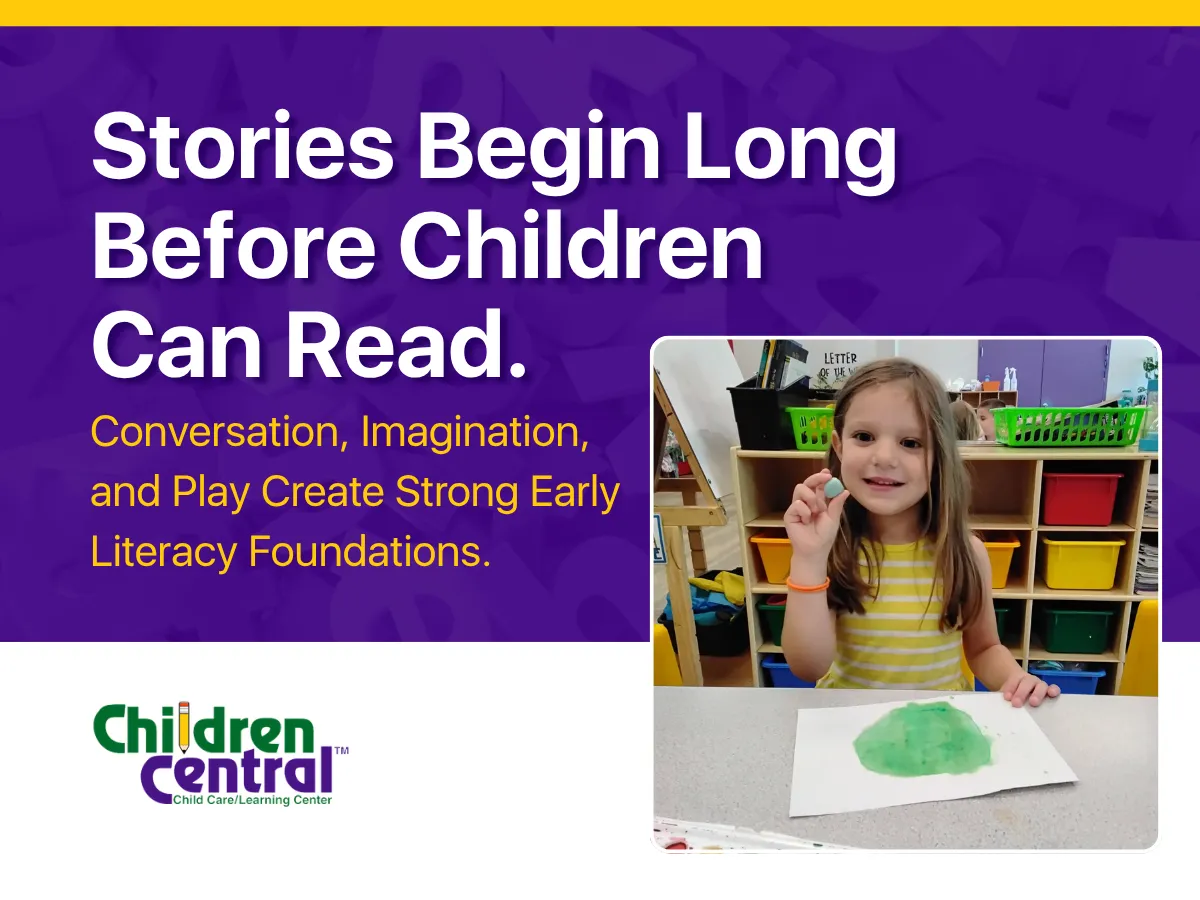
Purposeful play helps children develop early literacy skills through conversation, storytelling, mark-making, and meaningful exposure to books and print. Rather than treating literacy as a separate task, a play-based curriculum introduces language, letters, sounds, and writing within activities that children can understand and enjoy.
Expanding Vocabulary Through Conversation
Children build vocabulary when they hear and use language during everyday interactions. Teachers can introduce new words while children explore sensory materials, create artwork, build structures, or participate in pretend play.
A construction activity may include words such as tall, stable, balance, wide, and narrow. A nature investigation may introduce terms related to color, texture, size, growth, and change. Because the words are connected to a direct experience, children are more likely to understand and remember them.
Group discussions also help children practice listening, answering questions, explaining ideas, and speaking in complete thoughts.
Building Storytelling and Comprehension Skills
Dramatic play gives children opportunities to create characters, organize events, and develop simple storylines. These experiences support an understanding of sequence, cause and effect, setting, and character roles.
Teachers can strengthen comprehension by asking open-ended questions such as:
- What happened first?
- Why did the character make that choice?
- What might happen next?
- How could the problem be solved?
- How did the character feel?
These questions encourage children to think carefully, make predictions, and connect ideas.
Encouraging Interest in Books, Letters, and Sounds
Books can be incorporated into play areas and linked to children’s current interests. A story about animals may inspire a small-world activity, while a book about cooking may support a pretend café.
Children can also encounter meaningful print through menus, labels, signs, lists, maps, name cards, and writing materials. These resources help them recognize that written language has a practical purpose.
Songs, rhymes, and sound games develop awareness of rhythm, syllables, and beginning sounds. Combined with drawing and early writing opportunities, these experiences create a strong foundation for reading and written communication.
Conclusion
A play-based pre-k curriculum prepares children for kindergarten by supporting the full range of skills they need to succeed. Through purposeful exploration, children strengthen communication, independence, cooperation, early literacy, problem-solving, creativity, and physical coordination. These abilities develop most effectively when learning is meaningful, engaging, and connected to children’s natural curiosity.
Learn more about Children Central’s approach to early learning by calling (267) 732-1335 or visiting https://childrencentral.net/contact-children-central/.