Signs that a pre-k program builds real independence often appear in the small daily moments that help children feel capable, confident, and ready to participate in their own routines. A strong Pre-K environment does more than prepare children for kindergarten academics. It gives them opportunities to make choices, care for their belongings, follow classroom expectations, solve simple problems, and build confidence through guided practice.
For families, these signs show that a program is helping children grow in ways that support both school readiness and everyday life. True independence begins when children are gently encouraged to try, learn, and succeed with support.
Child Confidence In Pre-K Starts With Encouragement
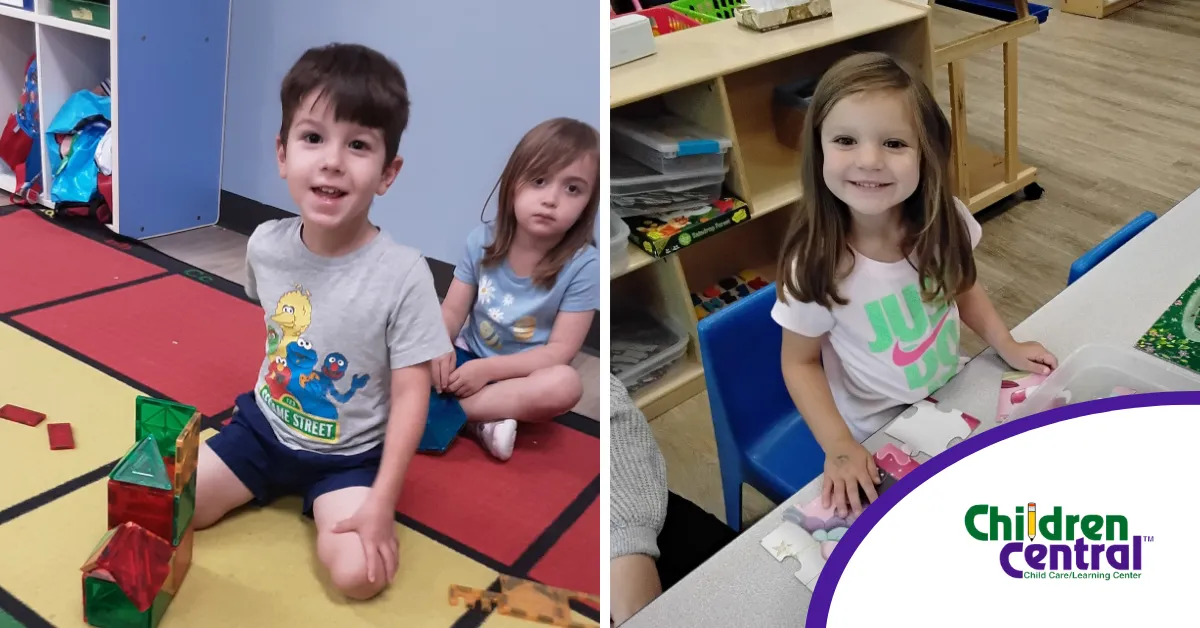
Confidence begins when children feel safe, supported, and capable of trying new things. In a strong Pre-K program, encouragement is not limited to praise. It is built into how teachers guide routines, support problem-solving, and help children recognise what they are learning to do for themselves.
Children Are Encouraged To Try First
One of the clearest signs of a child’s confidence in Pre-K is a willingness to participate without waiting for constant adult direction. This may happen during circle time, center play, classroom cleanup, or simple self-care routines. When teachers create predictable expectations, children begin to understand what comes next and how they can take part with greater independence.
Daily Responsibilities Build Confidence
A classroom that supports independence gives children small, age-appropriate responsibilities throughout the day. These moments help children see themselves as capable members of the classroom while learning responsibility naturally.
Examples may include:
- Putting away personal belongings
- Choosing from age-appropriate activities
- Helping clean up materials
- Practicing zipping, handwashing, or opening lunch items
- Using words to ask questions or request help
Supportive Teachers Guide Without Taking Over
Encouragement matters most when a child is unsure or frustrated. Instead of immediately completing a task for them, supportive teachers may offer a reminder, model the next step, or give the child time to try again. This balanced approach helps children learn that mistakes are part of the learning process.
Over time, repeated encouragement helps children move from hesitation to participation. A child who once needed help with every step may begin putting away supplies, joining a group activity, or solving a small problem with more confidence. These signs show that independence is developing through patience, structure, and meaningful support.
Independent Classroom Behaviors Are Built Into Daily Routines
Independent classroom behaviors develop when children know what to expect, understand their role in the classroom, and have repeated opportunities to practice simple responsibilities. A strong Pre-K program uses daily routines to help children build habits that support confidence, cooperation, and school readiness.
Predictable Routines Help Children Know What Comes Next
Children become more independent when the classroom day follows a clear rhythm. Arrival, group time, learning centers, meals, outdoor play, rest time, and dismissal all provide opportunities for children to practice responsibility. When routines are consistent, children begin to move through the day with less prompting because they understand what is expected.
Self-Help Skills Are Practiced Throughout The Day
A quality Pre-K program does not separate independence from learning. It includes self-help skills in natural moments, allowing children to practice in ways that feel meaningful.
These behaviors may include:
- Hanging up coats and backpacks
- Washing hands before meals
- Cleaning up toys and supplies
- Following simple classroom directions
- Waiting for a turn during group activities
- Preparing for transitions with minimal reminders
Each routine gives children a chance to strengthen focus, patience, and responsibility.
Teachers Use Gentle Guidance To Build Consistency
Independent classroom behaviors do not happen all at once. Teachers play an important role by modeling expectations, offering reminders, and encouraging children to try again when needed. Instead of rushing through tasks, they give children time to participate at an age-appropriate pace.
Over time, these daily routines help children become more capable and comfortable in the classroom. A child who learns to clean up after play, follow a transition cue, or care for personal belongings is developing practical independence. These skills support smoother classroom participation while helping children prepare for the structure and expectations of kindergarten.
Pre-K Decision-Making Skills Grow Through Guided Choices
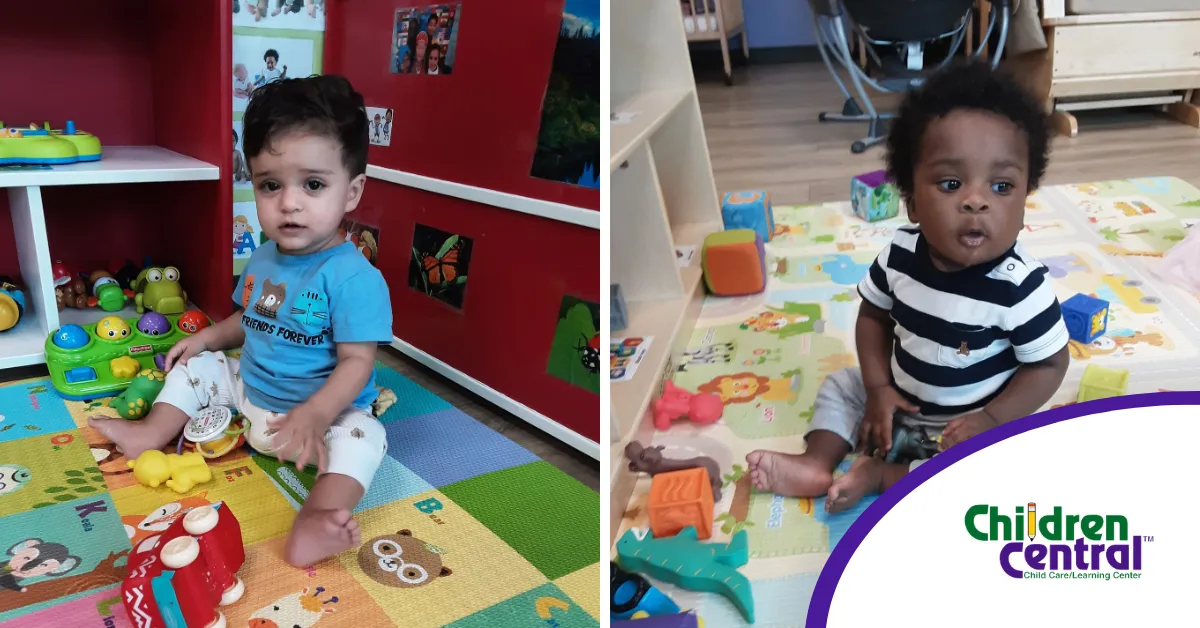
Pre-K decision-making skills develop when children are given safe, age-appropriate opportunities to make choices during the school day. In a strong Pre-K program, children are not expected to make every decision on their own. Instead, teachers guide them through simple choices that help them think, communicate, and understand the results of their actions.
Small Choices Build A Sense Of Ownership
Young children begin building independence when they are invited to make manageable decisions. These choices may seem simple, but they help children feel more involved in their learning and daily routines.
Examples may include:
- Choosing between two learning centers
- Selecting a book during quiet time
- Deciding which color or material to use for an activity
- Picking a classroom job
- Choosing where to sit during a group activity, when appropriate
These moments help children practice decision-making in a structured, supportive environment.
Teachers Help Children Think Through Options
Guided choices are most effective when teachers help children understand their options. Instead of simply asking open-ended questions that may feel overwhelming, teachers may offer clear choices and gentle prompts. For example, a child might be asked, “Would you like to work with blocks or puzzles first?” This gives the child a voice while keeping the decision age-appropriate and in line with the setting.
Decision-Making Supports Problem-Solving
As children become more comfortable making choices, they also begin learning how to solve small problems. They may decide how to share materials, what to do when an activity is challenging, or how to ask a friend for a turn. With teacher support, these experiences help children connect choices with responsibility.
Over time, guided decision-making helps children become more confident, thoughtful, and prepared for kindergarten. A Pre-K program that supports this skill gives children room to participate while still providing the structure they need to feel secure.
Choosing A Pre-K Program That Builds Lasting Confidence
Choosing the right Pre-K program means looking beyond academics alone. Families should look for an environment where children are guided with patience, encouraged to participate, and supported as they build practical independence. Lasting confidence grows when children feel secure, respected, and capable in their daily classroom experiences.
Look For A Balance Of Support And Independence
A strong Pre-K program does not leave children to figure everything out on their own, but it also does not do every task for them. The right balance allows children to try new skills with teacher support nearby. This may include managing classroom materials, following routines, making simple choices, or practicing self-help skills at an age-appropriate pace.
Notice How Teachers Guide Each Child
Teacher guidance plays an important role in building confidence. Families can look for teachers who use calm reminders, model expectations, and encourage children through challenges. Supportive teachers understand that independence develops gradually and that each child may need different levels of help.
Helpful signs to look for include:
- Children are encouraged to try before receiving help
- Routines are clear and consistent
- Teachers praise effort, not only results
- Children are given meaningful classroom responsibilities
- Families receive updates about social and practical growth
Choose A Program That Supports The Whole Child
Real confidence is built through a combination of learning, communication, social development, and daily responsibility. A quality Pre-K program helps children prepare for kindergarten while also supporting independence in everyday moments. When children learn to solve small problems, care for belongings, make guided choices, and participate with confidence, they are developing skills that reach beyond the classroom.
For families, these signs can clarify the decision. The best program is one that supports children with warmth, structure, and encouragement as they become more capable learners.
Conclusion
Real independence in Pre-K is built through steady encouragement, thoughtful routines, guided choices, and caring teacher support. When children are given opportunities to try, participate, solve small problems, and take responsibility for age-appropriate tasks, they begin to see themselves as capable learners. These early experiences help prepare them not only for kindergarten, but also for the confidence, communication, and responsibility they will continue to build in the years ahead.
To learn more about Children Central’s Pre-K program, call (267) 732-1335 or visit https://childrencentral.net/contact-children-central/.