Choosing the best daycare curriculum is one of parents’ most important decisions. We want to find a place that keeps our children safe, nurtures their development, and prepares them for school and life. An engaging and appropriate curriculum is key to a high-quality daycare environment.
When touring daycares, don’t just look at the facilities and ratios. Ask about the curriculum and lesson plans. Observe how teachers interact with children. Get to know about the daily schedule and variety of activities offered.
The curriculum will shape your child’s experiences and development during these vital early years. This article will explore what to look for in a best daycare curriculum.
We’ll cover the key learning domains that should be addressed, teaching approaches that work best for young minds, and qualities that make early learning engaging and developmentally appropriate. Read on to learn more about the benefits and features of an effective daycare curriculum.
Benefits of the Best Daycare Curriculum
- Fosters well-rounded development of the whole child – physical, social, emotional, cognitive
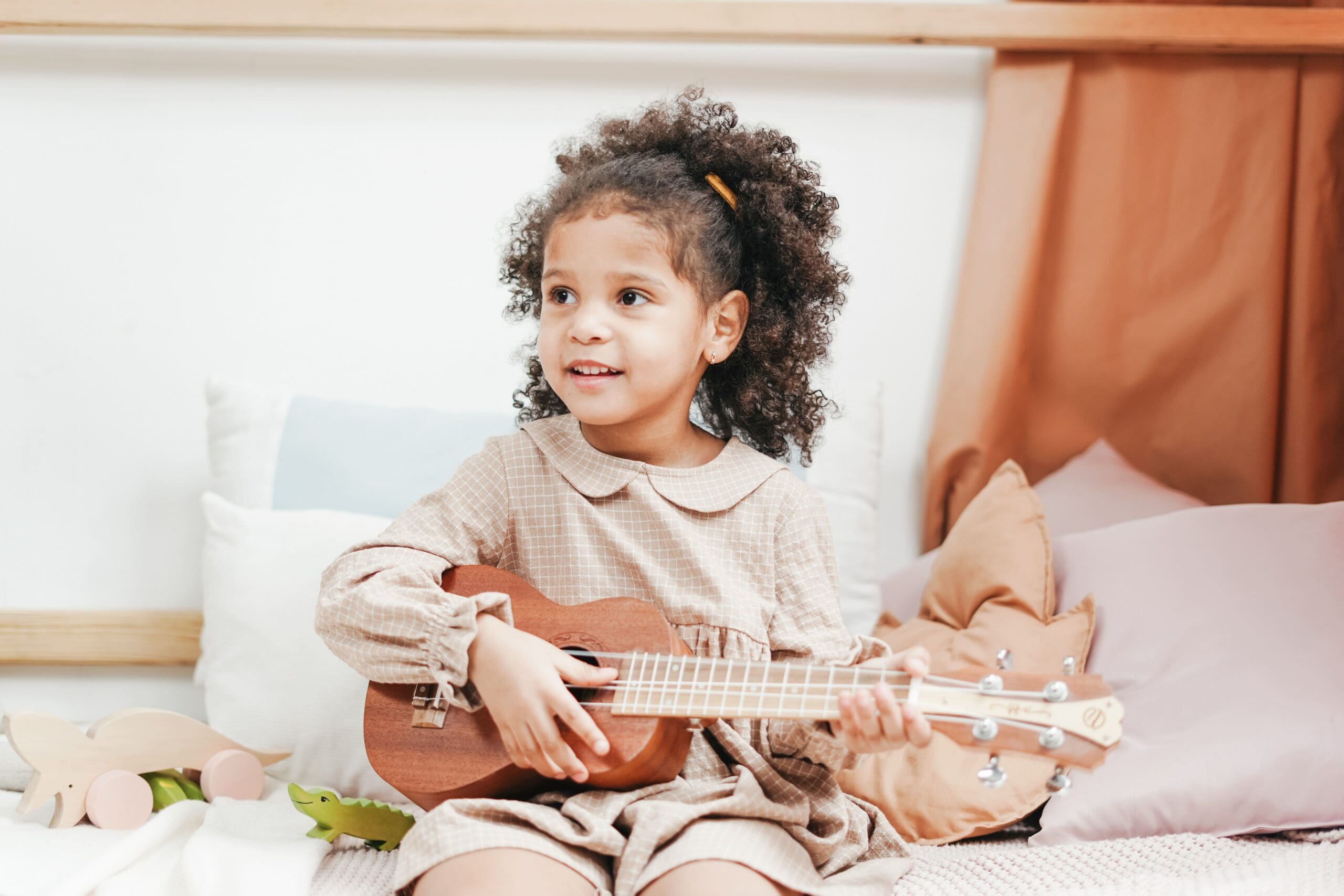
- Uses play-based learning to tap into young children’s natural curiosity
- Encourages creativity, exploration, problem-solving, and independence
- Builds early literacy, math, science, and social studies skills
- Adapts activities to different learning styles and developmental stages
- Promotes diversity and cultural awareness
- Allows for both teacher-directed and child-led learning
- Cultivates social skills like cooperation, listening, empathy
- Helps children regulate emotions, express feelings, and resolve conflicts
- Forms caring teacher-child relationships built on trust
- Engages with families and community for real-world connections
- Lays a robust foundation for lifelong learning and success
Features of a Good Day care Curriculum
Focus on Learning Through Play
The best childcare curriculum uses play to teach. Young kids learn best with hands-on play, not structured lessons. Look for a curriculum that stresses:
- Child-Directed Play
Kids need lots of time for free play that they choose. This lets them explore materials and be creative. Child-led play builds decision-making, problem-solving, and social skills. Unrushed play time helps kids focus for longer. Ensure kids have varied toys, dress-up clothes, art supplies, and books.
- Guided Play
Teachers should also guide play activities that teach. For example, setting up role-play areas tied to themes or providing materials for science experiments. This blends child-led play with learning goals. Guiding play keeps it fun but focused.
Support the Whole Child
A good curriculum teaches all areas: physical, emotional, cognitive, and communication skills.
- Physical Development
Activities like playground time, music, sports, and games build coordination, strength, and balance. Small manipulatives, puzzles, and art develop hand-eye coordination.
- Social-Emotional Growth
A strong curriculum nurtures growth through close bonding, shared feelings, cooperation, and emotions. Kids learn to share, express needs, and respect others.
- Early Academics
Math skills like sorting, shapes, counting, and comparing get integrated into play. Literacy includes listening to stories, rhymes, letters, and wordplay.
- Communication Skills
Teachers model rich language and encourage expression through discussions, show and tell, acting out stories, and more.
Balance Teacher-Guided and Child-Guided Learning
An effective curriculum provides a balance of teacher-led and child-led activities at the right level.
- Small Group Instruction
Teachers teach skills explicitly in small groups. This introduces new concepts, targeted activities, and complex ideas. Groups help kids who need more practice or challenge.
- Independence in Learning Centers
Kids also need time to choose centers to direct their own learning through art, dramatic play, science, reading, blocks, and writing.
- Whole Group Learning
Teachers bring the full class together for reading aloud, music, cooperative games, plays, calendar time, and thematic units. This builds community and teamwork skills.
Adapt to Diverse Needs
The curriculum should flex to suit different abilities, backgrounds, skills, and interests.
- Developmental Differences
Activities should suit varying developmental stages. Kids move through the curriculum at their own pace based on strengths and needs.
- Cultural Relevance
Reflect children’s cultures through diverse books, toys, music, and food. Discuss their traditions.
- Accommodations
Teachers modify activities for kids with special needs like speech delays, autism, disabilities, or medical issues. Quality curriculum includes all students.
Role of Technology
Technology like tablets, apps, and digital games can enhance learning when used appropriately in daycare. But it should not replace hands-on play, creativity, and social interactions.
Guidelines for Using Technology:
- Limit screen time to less than 30 minutes per day
- Use together with an adult to guide and discuss
- Choose high-quality educational apps and games
- Ensure equal access for all children
- Avoid passive watching – kids should be actively engaged
- Use it to supplement, not replace, other learning
Connect to the Community
A strong curriculum includes connecting to the local community. Field trips, visitors, and community service teach about the wider world.
Potential Opportunities:
- Nearby parks, libraries, museums, farms, factories, shops
- Community helpers like firefighters, nurses, police
- Culture/history like parades, cultural events
- Charitable service projects like food drives
- Nature areas like zoos, gardens, beaches
Cultivate Creativity
Children need plenty of time for unstructured creative activities. A good curriculum provides diverse art materials and tools. It allows creations to be open-ended rather than craft kits. It displays all children’s artwork to encourage self-expression. Also, it rotates materials to spark new ideas.
Art materials to include:
- Paint, glue, tape, scissors, crayons, markers, craft sticks
- Collage items like pom poms, beans, felt, cotton
- Reusable materials like cardboard tubes, bottle caps
- Playdough, clay, kinetic sand
- Nature items like pinecones, leaves, acorns
- Fabric, yarn, pipe cleaners for weaving and sewing
Make Learning Fun!
Daycare learning should feel like play, not work. Use games, songs, toys, humor, and pretend play to teach concepts naturally. Allow kids to learn actively at their own pace. Follow interests to make it meaningful. Learning happens everywhere, not just during “lessons.”
The key is keeping kids engaged, challenged, and curious to learn. With a play-based curriculum focused on the whole child, daycares build a solid foundation for lifelong learning success.
Our Funnydaffer Curriculum
At Children Central, we use the acclaimed Funnydaffer curriculum in all our programs, from infants to Pre-K. This play-based curriculum aligns with the state’s early learning standards.
Funnydaffer focuses on the whole child – physical, mental, language, and emotional. Key features include:
- Educational philosophy focused on child development – moral, potential, worldview, academic success, and societal benefit.
- Lesson plans promote learning through play. Daily Center Time for play activities.
- Covers four developmental areas: physical, cognitive, language, and social/emotional.
- Fosters brain development through experiences and adult interactions.
- Provides engaging play activities: Science, Blocks, Art, Sand/Water, Manipulatives, Literacy, Dramatic Play, Music & Movement.
By emphasizing meaningful play, Funnydaffer stimulates brain development and fosters essential skills to prepare children for success.
Contact Children Central today to learn more about our playful Funnydaffer curriculum and schedule a tour of our enriching early learning programs.
Frequently Asked Questions
How do I find a daycare with a good curriculum?
Look for a daycare curriculum that balances structured learning with play, exploration, and age-appropriate activities. A good program should support language, early literacy, math, physical development, creativity, and social-emotional skills while allowing teachers to adapt activities to each child’s developmental needs.
Is a daycare with a strict curriculum better for children?
A strict daycare curriculum is not necessarily better. Young children benefit from predictable routines and purposeful learning activities, but they also need flexibility, play, movement, and opportunities to explore their interests. Look for a daycare that provides structure without making learning overly rigid or academically demanding for a child’s age.
What is curriculum rotation in daycare?
Curriculum rotation means changing learning activities, classroom materials, themes, or learning centers over time to introduce children to new experiences and skills. Effective rotation keeps activities engaging while allowing children to revisit important concepts through different types of play and teacher-guided learning.
What should a daycare curriculum include for toddlers?
A toddler daycare curriculum should include language development, sensory exploration, music and movement, fine and gross motor activities, early social skills, creative play, and simple problem-solving experiences. Activities should be flexible and appropriate for each toddler’s developmental stage rather than focused on formal academics.