Pre-k readiness skills help children build the confidence, independence, and early learning habits they need before entering kindergarten. A kindergarten readiness preschool program supports this growth by nurturing social, emotional, cognitive, and physical development in a structured yet caring environment.
Through guided play, hands-on activities, early literacy and math experiences, and positive classroom routines, children begin to understand how to follow directions, interact with peers, solve problems, and express themselves. These foundational skills prepare young learners not only for the academic expectations of kindergarten but also for a smoother, more confident transition into school.
How A Kindergarten Preparation Program Builds A Strong Foundation
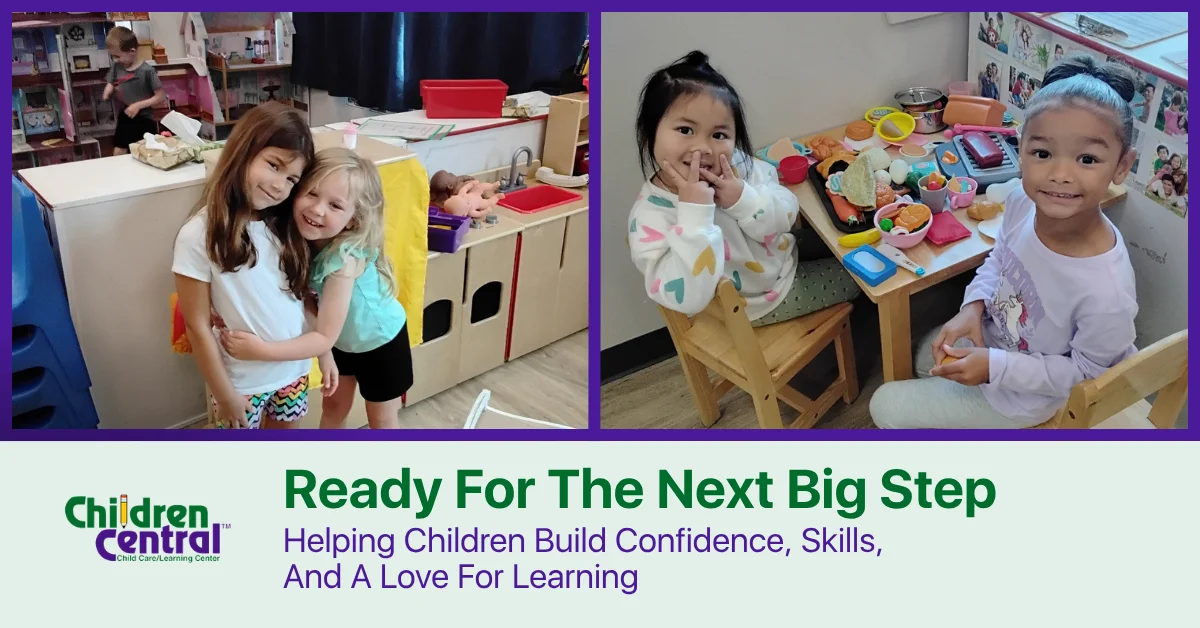
A kindergarten preparation program helps children grow into capable, confident learners by providing consistent opportunities to practice the skills they will use every day in school. At this stage, preparation is not limited to letters, numbers, or writing practice. It also includes learning how to participate in a group, follow classroom routines, listen with purpose, and approach new experiences with a positive mindset.
Building Confidence Through Consistent Routines
When children know what to expect, they feel more secure and ready to engage. Predictable routines help them understand how a classroom works, from morning greetings and circle time to transitions, clean-up, and small-group activities. These simple moments build independence and teach children how to move through the school day with greater ease.
Strengthening Early Learning And Social Skills
A strong program supports early academic growth through meaningful, age-appropriate experiences, such as:
- Listening to stories and discussing characters, ideas, and events
- Recognizing letters, sounds, shapes, colors, and numbers
- Practicing early writing through drawing, tracing, and name activities
- Exploring counting, sorting, patterns, and simple problem-solving
- Strengthening fine motor skills with art, blocks, puzzles, and hands-on materials
Equally important, children learn how to be part of a classroom community. They practice sharing, taking turns, asking for help, and expressing their needs respectfully. These social and emotional skills help children build friendships, manage frustration, and develop the confidence to try again when something feels challenging.
By combining structure, nurturing guidance, and purposeful learning, a kindergarten preparation program bridges preschool and kindergarten. Children leave with stronger routines, growing independence, and the foundational skills needed to step into the next stage of learning with confidence.
Key Pre-K Learning Milestones That Support Kindergarten Success
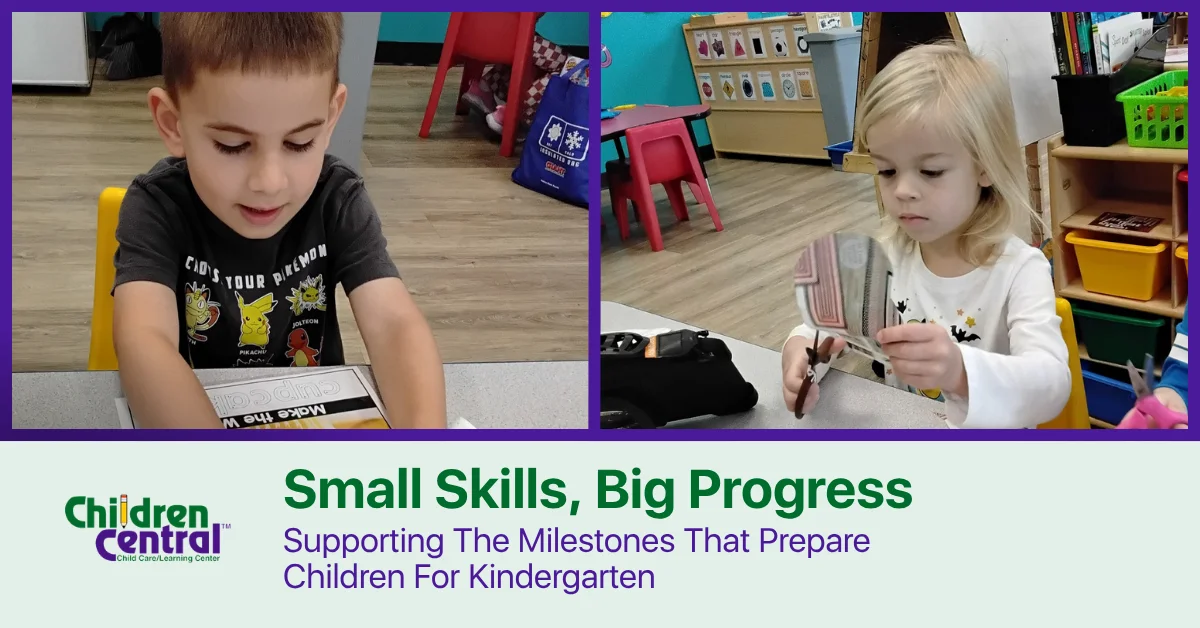
Pre-kindergarten learning milestones provide families and teachers with a helpful way to understand how children are developing before kindergarten. Every child develops at their own pace, but certain skills often show that a child is becoming more prepared for the structure, expectations, and learning experiences of a kindergarten classroom. These milestones include early academic abilities, communication skills, independence, and confidence in participating in daily routines.
Growing Language And Early Literacy Skills
Language development is one of the most important parts of kindergarten readiness. Children benefit from daily opportunities to listen, speak, ask questions, and share ideas. Through stories, songs, classroom discussions, and imaginative play, they begin to build vocabulary and understand how language helps them connect with others.
Important early literacy skills may include:
- Recognizing some letters and letter sounds
- Showing interest in books and storytelling
- Identifying their name in print
- Retelling simple parts of a story
- Using words to describe thoughts, needs, and feelings
These experiences help children become more comfortable with the early reading and writing activities they will encounter in kindergarten.
Building Early Math And Thinking Skills
Pre-k also introduces children to foundational math concepts in meaningful, hands-on ways. Rather than relying only on worksheets, children learn through counting objects, sorting materials, identifying shapes, building with blocks, and noticing patterns in everyday routines.
These activities strengthen problem-solving, focus, and flexible thinking. Children begin to compare sizes, understand quantities, follow multi-step directions, and make connections between ideas. They also practice persistence when working through challenges, an important skill for future learning.
When children develop these milestones in a supportive preschool environment, they enter kindergarten with a stronger sense of readiness. They are more prepared to listen, participate, explore new concepts, and approach learning with curiosity and confidence.
Why School Readiness Development Includes Social And Emotional Growth
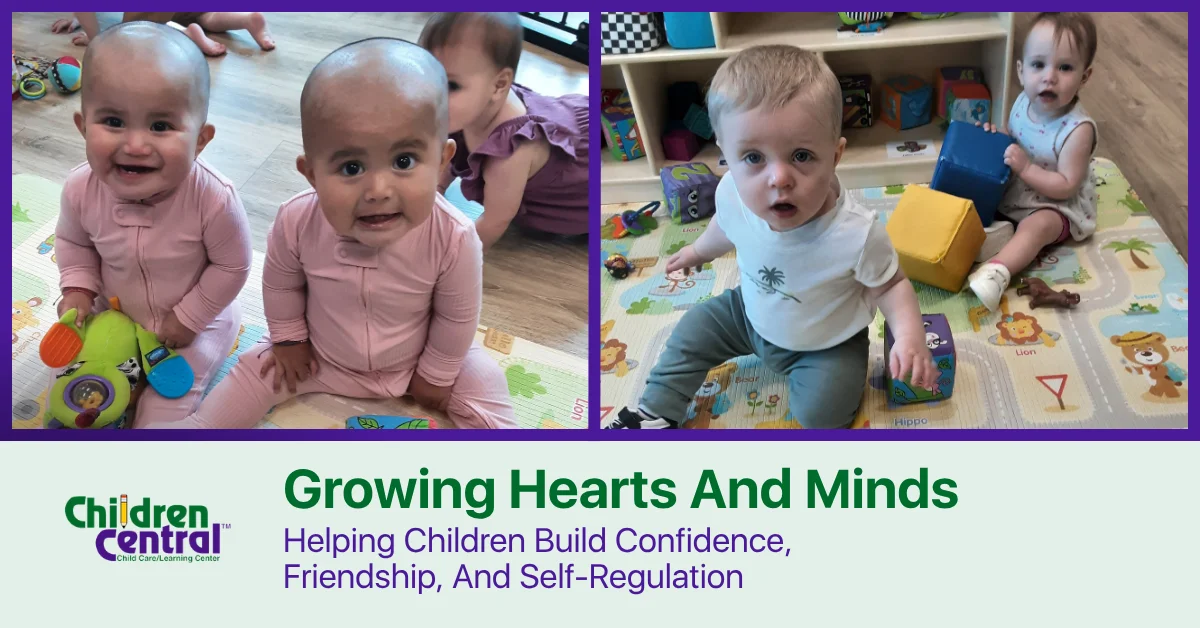
School readiness development is about more than preparing children for academic lessons. It also focuses on helping children understand themselves, relate to others, and feel secure in the classroom. Before children can fully engage in learning, they need to feel safe, supported, and capable of managing the many social and emotional experiences that come with school.
Helping Children Understand And Express Emotions
Young children are still learning how to name their feelings, communicate their needs, and respond to challenges appropriately. A strong preschool environment gives them patient guidance as they practice these skills throughout the day.
Teachers support emotional growth by helping children:
- Use words to express feelings
- Ask for help when needed
- Calm their bodies during frustration
- Try again after making a mistake
- Celebrate progress and effort
These everyday lessons help children develop self-awareness and confidence. Over time, they begin to understand that emotions are natural and manageable.
Learning To Build Relationships In A Classroom Community
Kindergarten requires children to spend time in a group, share materials, listen to others, and participate in classroom routines. Social development helps children feel more prepared for these expectations.
In preschool, children practice taking turns, cooperating during play, solving small conflicts, and showing kindness to classmates. They learn that their words and actions affect others. With gentle support, they begin to build friendships and understand what it means to be part of a caring classroom community.
This social and emotional foundation supports every area of learning. When children can manage transitions, communicate with teachers, and interact positively with peers, they are better prepared to focus, participate, and grow. School readiness development gives children the tools they need to enter kindergarten with confidence, resilience, and a sense of belonging.
The Role Of Play-Based Learning In Kindergarten Readiness
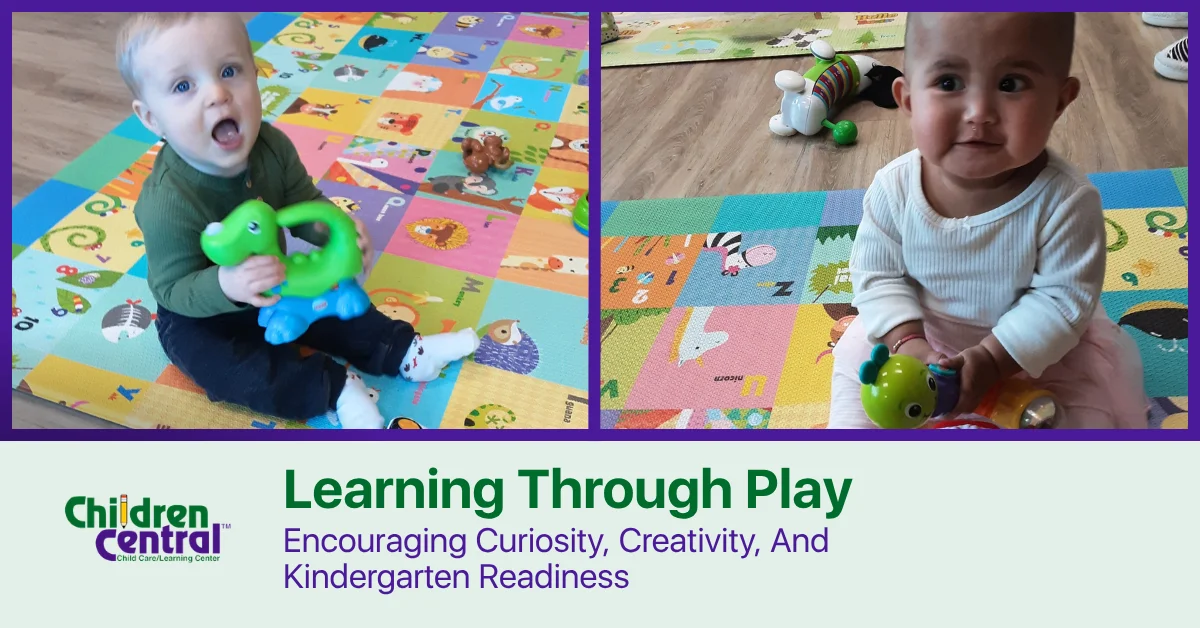
Play-based learning is a powerful part of kindergarten readiness because it allows children to learn through exploration, movement, creativity, and discovery. For young children, play is not separate from learning. It is one of the most natural ways for them to develop problem-solving skills, language, coordination, imagination, and social understanding.
Turning Everyday Play Into Meaningful Learning
In a well-guided preschool classroom, play is purposeful. Teachers create experiences that encourage children to ask questions, test ideas, and make connections. A block area can introduce balance, measurement, teamwork, and planning. A pretend play center can support language, cooperation, and emotional expression. Art activities can strengthen fine motor skills while encouraging creativity and choice.
Play-based learning may include:
- Building, sorting, and creating with hands-on materials
- Acting out stories and real-life roles
- Exploring nature, textures, colors, and sounds
- Solving simple problems with peers
- Practicing independence during classroom activities
These experiences help children develop skills in ways that feel engaging and age-appropriate.
Encouraging Curiosity, Confidence, And Independence
Play also gives children room to make decisions and take healthy risks. They learn to choose materials, try new ideas, adjust their plans, and work through challenges. These moments build independence and help children see themselves as capable learners.
Through guided play, children also practice listening, sharing, waiting, negotiating, and communicating. These social skills are essential for a smooth transition into kindergarten. When children are encouraged to explore in a caring and structured environment, they become more comfortable with new experiences and more willing to participate.
By blending joy with intentional learning, play-based education prepares children for kindergarten in a developmentally appropriate way. It strengthens the whole child and helps build a positive attitude toward school.
Conclusion
Kindergarten readiness grows through many small, meaningful experiences that help children feel capable, secure, and excited to learn. From early literacy and math practice to emotional growth, classroom routines, social interaction, and play-based discovery, each part of a preschool program supports the whole child. When children are guided with patience, structure, and encouragement, they begin to build the confidence and independence needed for a successful transition into kindergarten and beyond.
To learn more about Children Central and its preschool programs, visit https://childrencentral.net/contact-children-central/ or call (267) 732-1335.