What makes a high-quality childcare center is often the first question parents ask when choosing a place where their child will feel safe, supported, and understood. A strong center should offer more than supervision. It should provide a nurturing environment, consistent routines, and age-appropriate learning that supports social, emotional, and cognitive growth.
Parents can evaluate quality by looking at teacher qualifications, classroom ratios, daily communication, cleanliness, and clear safety procedures. It is also important to consider how the program partners with families and whether the curriculum supports meaningful play, early literacy, and developmental milestones. The right choice builds confidence in parents and stability in children.
Childcare Quality Indicators That Matter Most
A high-quality childcare center is defined by consistent standards that protect children, support healthy routines, and create trust with families. These childcare quality indicators help parents look beyond first impressions and identify programs that follow clear procedures, maintain strong environments, and prioritize child wellbeing every day.
Safe, Secure, And Well-Maintained Facilities
Safety begins at the front door and continues through every classroom and play space. Look for controlled entry, sign-in procedures, and staff who can clearly explain drop-off and pick-up expectations. Classrooms should be arranged for active supervision, with age-appropriate materials stored safely and walkways kept clear. Outdoor areas should be fenced, monitored, and designed for safe movement and play. A strong program also maintains equipment regularly and addresses concerns promptly, rather than waiting for issues to become problems.
Cleanliness, Health Practices, And Illness Policies
Healthy environments reduce preventable illness and create reassurance for families. High-quality centers follow daily cleaning routines for toys, high-touch surfaces, diapering stations, and bathrooms. Handwashing should be built into the schedule, not treated as an occasional reminder. Parents should also see a clear illness policy that explains when children must stay home, what symptoms require pick-up, and what is needed for a safe return. Allergy awareness, proper food handling, and consistent sanitation practices are also important signals of quality.
Licensing, Inspections, And Compliance Standards
Licensing is the minimum standard, but reliable programs treat compliance as a continuous responsibility. Parents should feel comfortable asking how often inspections occur and how the center responds to regulatory updates. Staff training, documentation, and emergency preparedness should be routine.
Common indicators in this area include:
- Current licensing and posted credentials
- Staff CPR and First Aid certification
- Regular emergency drills and written procedures
- Clear policies for medication, allergies, and incident reports
- Defined classroom ratios and supervision expectations
When a center supports safety and health with transparent policies and consistent follow-through, families gain confidence that quality is built into daily practice, not just discussed during a tour.
How To Evaluate A Childcare Center During A Tour
A tour gives parents the clearest view of daily quality by revealing how a center operates in real time. When evaluating a childcare center, focus on what you can observe, what staff can explain clearly, and how consistently policies are reflected in the environment and routines.
Classroom Ratios, Group Size, And Supervision
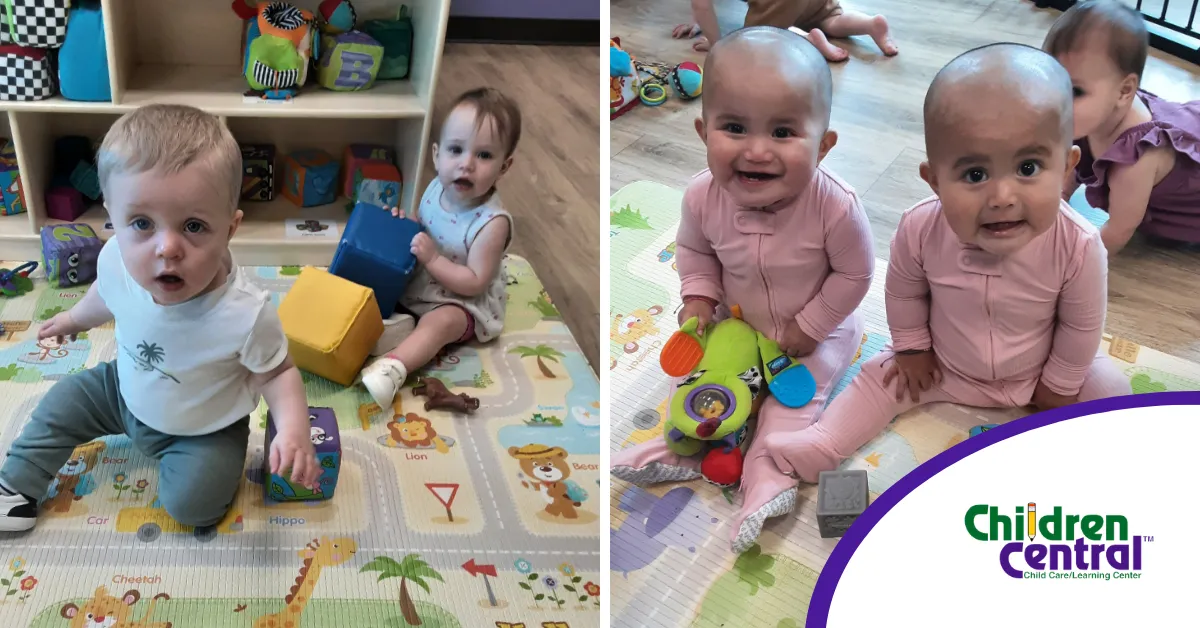
Start by noting how many children are in each room and how closely teachers can supervise. Smaller group sizes and appropriate ratios support safer classrooms, stronger relationships, and better learning experiences. During your visit, observe whether teachers are positioned to see all children, whether transitions are organized, and whether children are engaged rather than waiting for long periods.
Look for practical signals such as:
- Teachers actively interacting, not only monitoring from a distance
- Clear separation of age groups and materials
- Smooth transitions between activities
Daily Schedule, Transitions, And Learning Routines
Ask to review the daily schedule and confirm how it supports child development. A strong routine balances structured learning, outdoor play, meals, rest, and meaningful free play. Pay attention to how teachers guide children through transitions, since this is where classroom management and emotional support are often most visible. Consistent routines help children feel secure and reduce behavioral challenges.
Helpful questions include:
- How is learning planned by age group?
- How is outdoor time scheduled and supervised?
- How are challenging moments handled during transitions?
Parent Communication, Documentation, And Transparency
High-quality centers partner with families through clear, consistent communication. Ask how updates are shared, how parents receive photos or progress notes, and how concerns are handled. Transparency also includes clear policies, accessible leadership, and reliable documentation for incidents, medication, allergies, and daily care.
Strong communication practices may include:
- Daily reports for meals, naps, and diapering or toileting
- Regular photo updates and classroom highlights
- Clear guidance for illness policies and pick-up procedures
- A defined process for parent questions, conferences, and follow-up
When these tour observations align with what the center promises, parents can make a confident decision based on visible quality rather than marketing language.
Signs Of A Good Daycare In Teacher Care And Classroom Culture
A center can have strong facilities and a polished curriculum, but daily quality is most visible in the classroom culture. Signs of a good daycare often show up in how teachers speak to children, how they guide behavior, and how consistent the team feels from room to room. During a tour, focus on interactions, routines, and the overall emotional tone.
Warm, Responsive Interactions And Emotional Support
In high-quality classrooms, teachers are attentive, calm, and present. They get down to a child’s level, use respectful language, and respond quickly to needs, especially during moments of frustration or separation. Children should feel safe approaching staff for help, comfort, or simple conversation. You may notice teachers narrating what children are doing, encouraging effort, and helping children label emotions.
Look for behaviors such as:
- Teachers using children’s names and listening patiently
- Comfort is offered promptly when a child is upset
- Positive reinforcement that feels specific and meaningful
Positive Guidance And Behavior Support Practices
Strong programs address behavior consistently with age-appropriate strategies rather than harsh correction. Teachers should set clear expectations, redirect calmly, and teach children what to do next. Pay attention to how staff respond when children disagree, struggle with sharing, or have big emotions. The goal should be learning and regulation, not punishment.
Questions that help clarify approach:
- How do teachers support social skills like sharing and turn-taking?
- What is the process when biting or aggressive behavior occurs?
- How are parents informed and involved in behavior plans?
Staff Stability, Training, And Ongoing Professional Development
Staff consistency contributes to secure attachments and smoother classroom routines. Ask about staff tenure, onboarding, and ongoing training. High-quality centers invest in professional development and provide teachers with support, coaching, and clear expectations. When teachers feel supported, it typically shows in calmer classrooms and stronger communication with families.
Strong indicators in this area include:
- Low turnover and familiar faces across classrooms
- Regular training on safety, child development, and behavior guidance
- Clear leadership presence and communication with staff
- Consistent routines and expectations from room to room
When teacher care, guidance, and stability align, families can feel confident that classroom culture supports not only learning, but also a child’s sense of security and belonging.
Curriculum And Learning Approach That Supports Development
A strong curriculum does not rush children into worksheets or overly structured days. Instead, it builds foundational skills through meaningful play, guided exploration, and routines that support confidence. When reviewing a program’s learning approach, look for clear goals, developmentally appropriate activities, and teachers who can explain the purpose behind what children are doing.
Play-Based Learning With Purposeful Activities
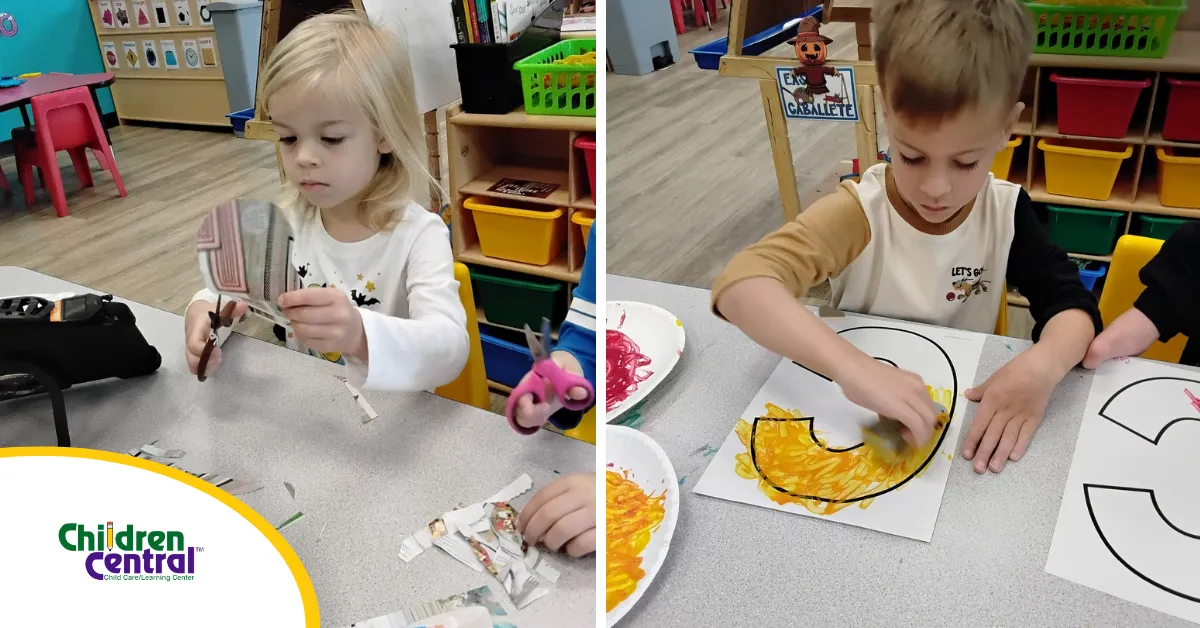
Play-based learning is most effective when it is intentional. High-quality classrooms plan activities that strengthen fine motor skills, early problem-solving, creativity, and communication. You may see children building, sorting, pretending, painting, or exploring sensory materials while teachers ask questions and introduce new vocabulary. Look for a balance between child-led exploration and gentle teacher guidance, so children remain engaged while still learning new skills.
Signs of purposeful play include:
- Centers or stations with rotating materials tied to a theme
- Teachers guiding play with questions and prompts
- Activities that build attention, cooperation, and persistence
Early Literacy, Language, And Math Foundations
A developmentally strong program supports early academics through daily exposure, not pressure. Literacy begins with read-alouds, storytelling, songs, and conversations that expand vocabulary. Math develops through counting, sorting, comparing, measuring, and pattern recognition. Ask how teachers support language development, especially through small-group activities and structured conversations throughout the day.
Look for routines such as:
- Daily reading and meaningful discussion
- Name recognition, letter awareness, and phonological play
- Counting games, sorting activities, and simple problem-solving
Social Skills, Independence, And School Readiness
School readiness goes beyond knowing letters and numbers. Children benefit when a program teaches independence, social skills, and emotional regulation. A strong curriculum includes routines that support self-help skills such as handwashing, cleaning up, toileting support when appropriate, and responsible choices. It also provides daily opportunities to practice taking turns, listening, following directions, and resolving conflicts with adult support.
Common readiness markers a quality program supports include:
- Following simple routines and classroom expectations
- Expressing needs and emotions appropriately
- Participating in group activities and transitions
- Building independence with personal care and cleanup
When curriculum, teaching practices, and classroom routines align, children gain skills that support long-term success, both academically and socially.
Conclusion
Choosing childcare is a decision that deserves both careful research and a clear sense of trust. When parents know what to look for, it becomes easier to identify programs that consistently support safety, learning, and healthy development. Quality is reflected in daily routines, teacher engagement, communication with families, and the way a center maintains its standards over time. A strong childcare experience supports the whole family by providing stability, transparency, and a nurturing environment where children can grow with confidence.
If you are looking for a childcare center that prioritizes safe care, meaningful learning, and strong family communication, contact Children Central to schedule a visit. Call (215) 398-1076 or use this form: https://childrencentral.net/contact-children-central/.