
The childcare enrollment process explained can help families feel more confident and prepared as they begin the search for the right care. While each center has its own steps, most enrollment journeys follow a similar path, from initial inquiry and tour scheduling to paperwork, health requirements, and start-date planning.
Understanding what to expect ahead of time can reduce stress and prevent last-minute surprises. In this guide, we will walk through the key stages of enrollment, the documents parents may need, and simple ways to prepare your child for a smooth transition into a new classroom environment.
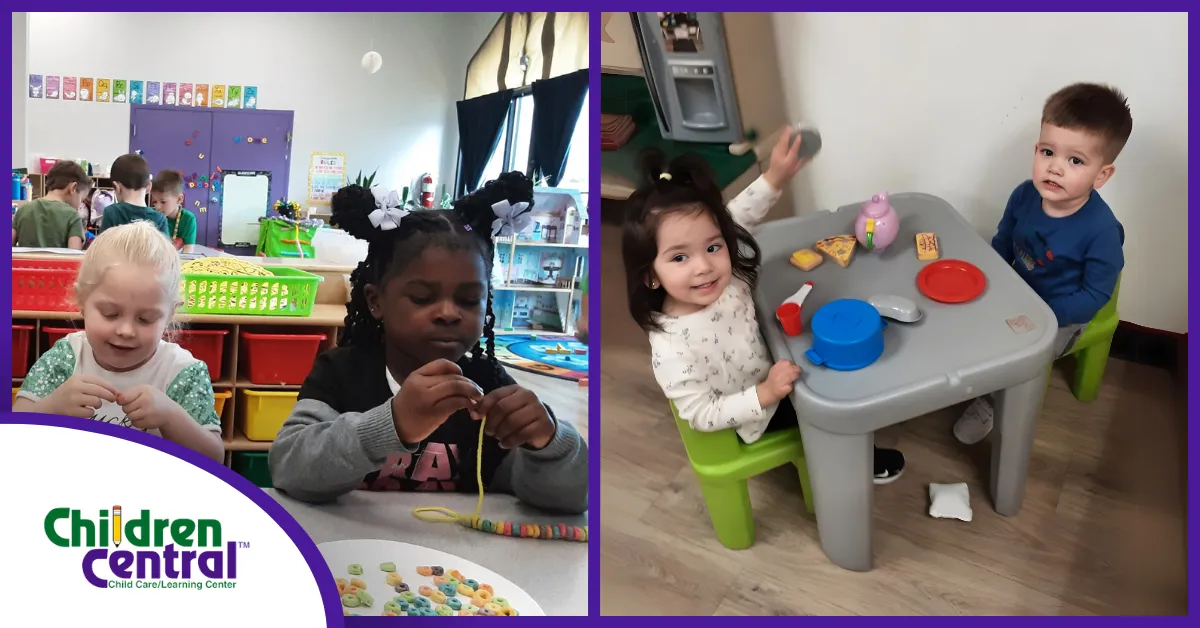 Enrolling in childcare can feel like a significant milestone, especially when you are trying to balance timelines, paperwork, and finding the right fit. The good news is that most centers follow a predictable process. With a clear plan, families can move from inquiry to a confident first day with fewer surprises along the way.
 Having your paperwork ready can make the enrollment process smoother and help centers finalize placement faster. While requirements can vary by location and licensing guidelines, most childcare programs request a similar set of forms and records to support your child’s safety, health, and daily care routine.
Steps To Enroll In Childcare: A Clear Path From Inquiry To First Day
Enrolling in childcare can feel like a significant milestone, especially when you are trying to balance timelines, paperwork, and finding the right fit. The good news is that most centers follow a predictable process. With a clear plan, families can move from inquiry to a confident first day with fewer surprises along the way.
1) Clarify Your Family’s Needs First
Before contacting centers, define what “right fit” means for your home routine. This helps you narrow your options quickly and avoid wasted tours. Start with these essentials:- Desired start date and weekly schedule
- Full-time vs. part-time care needs
- Location and commute
- Budget range and tuition comfort
- Allergies, medical needs, or developmental considerations
2) Contact Centers And Confirm Availability
Reach out to your top choices and ask about openings for your child’s age group. If space is limited, ask how waitlists work and what steps are needed to hold a spot. Ask early to stay organized:- Do you have availability for my child’s age group?
- Is there a waitlist, and what determines placement?
- What is required to move forward with enrollment?
3) Schedule A Tour And Learn How The Day Runs
Tours are your chance to see daily routines in action and understand the center’s expectations for families. Pay attention to classroom engagement, safety practices, cleanliness, and how teachers connect with children. Strong tour questions include:- What is the daily schedule for this age group?
- How do teachers support transitions and separation?
- How do you communicate updates to parents each day?
- What are your health, pickup, and emergency policies?
4) Complete Enrollment Forms And Submit Documents
Once you choose a center, you will complete paperwork and provide the required records. Submitting documents promptly helps confirm placement and reduces delays. Everyday enrollment items include:- Enrollment application and child information form
- Immunization record and health documentation
- Emergency contacts and authorized pickup list
- Parent handbook acknowledgment
- Billing setup and payment authorization
5) Confirm Your Start Date And Prepare For Day One
After approval, confirm the start date, supply list, and any orientation details. Simple first-day preparation tips:- Label items and pack any required supplies
- Practice a consistent morning routine
- Keep the drop-off brief and reassuring
- Share comfort needs, nap habits, and feeding details with staff
What Documents Are Needed For Childcare Enrollment: Forms, Records, And Must-Have Details
Having your paperwork ready can make the enrollment process smoother and help centers finalize placement faster. While requirements can vary by location and licensing guidelines, most childcare programs request a similar set of forms and records to support your child’s safety, health, and daily care routine.
Core Enrollment Forms Most Centers Require
These documents help the center create an accurate profile for your child and confirm the agreed enrollment details. Common forms include:- Enrollment application and child information sheet
- Parent or guardian identification details
- Tuition agreement and billing setup authorization
- Parent handbook acknowledgment form
Health And Medical Records
Childcare programs must follow health and safety standards, which is why medical documentation is typically required before a child’s first day. You may be asked to provide:- Up-to-date immunization records
- Physical exam or health statement (if required)
- Allergy action plans, medication permissions, or care instructions
- Emergency medical release authorization
Emergency Contact And Authorized Pickup Information
This section is essential for day-to-day safety and ensures that your child is released only to approved adults. Most centers request:- Primary and secondary emergency contacts
- Authorized pickup list with phone numbers
- Permission notes for anyone outside the immediate household
- Custody documentation, if applicable
Daily Care Preferences And Routine Details
Some enrollment packets include forms that help teachers support your child’s routine with consistency from the beginning. These may include:- Feeding instructions and dietary restrictions
- Sleep schedule and comfort needs
- Toileting plans or diapering preferences
- Developmental notes, language preferences, and communication goals
Helpful Extras To Keep On Hand
Even if a center does not require these right away, having them prepared can save time later. Consider organizing:- A copy of your child’s insurance card
- Any therapy or support documentation (if applicable)
- Special instructions for transitions or calming strategies
How Long Does Childcare Enrollment Take: Timeline Expectations And What Can Delay It
The time it takes to enroll in childcare depends on availability, program policies, and how quickly paperwork is completed. Some families secure a start date within days, while others may wait weeks or longer due to limited openings. Planning and understanding the typical timeline can help you avoid stress and stay prepared.Typical Timeframes Parents Can Expect
Most enrollment timelines fall into one of these general categories:- 1 to 7 days:
-
-
- This is common when a center has immediate availability, enrollment forms are completed quickly, and required records are already on hand.
-
- 1 to 4 weeks:
-
-
- Many families fall in this range, especially when tours, decision-making, and documentation submission take time.
-
- 1 month or longer:
-
- This is more likely when there is a waitlist, fewer openings for certain age groups, or a specific start date is requested.
What Can Speed Up The Process
While enrollment should never feel rushed, being organized helps centers confirm details more quickly and avoid unnecessary back-and-forth. Helpful ways to move forward smoothly include:- Scheduling tours early in your search
- Submitting forms promptly after selecting a center
- Providing immunization and health documentation upfront
- Confirming your preferred start date and schedule clearly
- Responding quickly to follow-up questions from the center
Common Delays That Can Impact Enrollment
Even when a center is a strong fit, a few factors can slow down the timeline. Delays often include:- Waitlisted classrooms, especially for infants and toddlers
- Missing forms or incomplete documentation
- Delays in receiving medical records from a provider
- Changes in availability due to staffing or classroom ratios
- Requesting a part-time schedule that does not match current openings
When A Waitlist May Be The Best Next Step
Some programs fill quickly, but joining a waitlist can still be a good option if the center aligns well with your goals. Families often remain on multiple waitlists while exploring other short-term solutions. If you join a waitlist, ask:- How often is the list updated
- Whether a deposit is required
- How families are notified when a space opens
- What information is needed to confirm placement quickly
What To Ask Before You Commit To A Childcare Program
Choosing childcare is a significant decision, and the right questions can help you feel confident in your choice. Beyond pricing and location, it is essential to understand how the center supports safety, learning, communication, and daily routines. Asking detailed questions also helps you compare programs fairly and avoid surprises after enrollment.Questions About Safety And Daily Supervision
A strong childcare program should have clear systems for safety, cleanliness, and consistent supervision. Consider asking:- What are your teacher-to-child ratios for my child’s age group?
- How do you monitor children during indoor and outdoor play?
- What safety measures are in place for arrivals, pickups, and visitors?
- How often are toys, surfaces, and classrooms cleaned and sanitized?
- What is your policy for illness, medication, and emergencies?
Questions About Curriculum And Learning Goals
Even in play-based programs, learning should be purposeful and developmentally appropriate. Helpful questions include:- What does a typical day look like for this classroom?
- How do you support early language, social skills, and problem-solving?
- How do you handle transitions between activities and routines?
- How do teachers track progress and share developmental updates?
Questions About Communication With Families
Clear, consistent communication helps parents stay connected and informed throughout the day. Ask about:- How will I receive daily updates about meals, naps, and activities?
- How do teachers share photos, milestones, or classroom highlights?
- What is the best way to communicate questions or concerns?
- How are schedule changes, closures, or essential notices shared?
Questions About Policies, Tuition, And Enrollment Details
Understanding the fine print is just as important as the classroom experience. Be sure to ask:- What is included in tuition, and what costs are separate?
- Are there registration fees, deposits, or annual supply fees?
- What is your notice period for schedule changes or withdrawal?
- What happens if my child is absent for vacation or illness?
Questions About Your Child’s Individual Needs
If your child is adjusting to a new routine, has dietary needs, or benefits from extra support, these questions matter. You can ask:- How do you support children during separation and drop-off?
- Can you accommodate allergies or special feeding instructions?
- How do teachers handle behavior guidance and emotional regulation?
- What is the plan if my child struggles to adjust during the first weeks?