
Child-teacher ratios in daycare play a major role in the quality of care, safety, and attention your child receives each day. For parents choosing a daycare program, understanding these ratios can help them evaluate whether a center can provide the support, supervision, and nurturing environment children need to thrive.
A lower ratio often means teachers have more time to respond to each child’s needs, encourage learning, and build strong relationships. While requirements can vary by age group and state, knowing what child-teacher ratios mean can help you ask better questions and feel more confident in your daycare decision.
What Child-Teacher Ratios Mean in Daycare
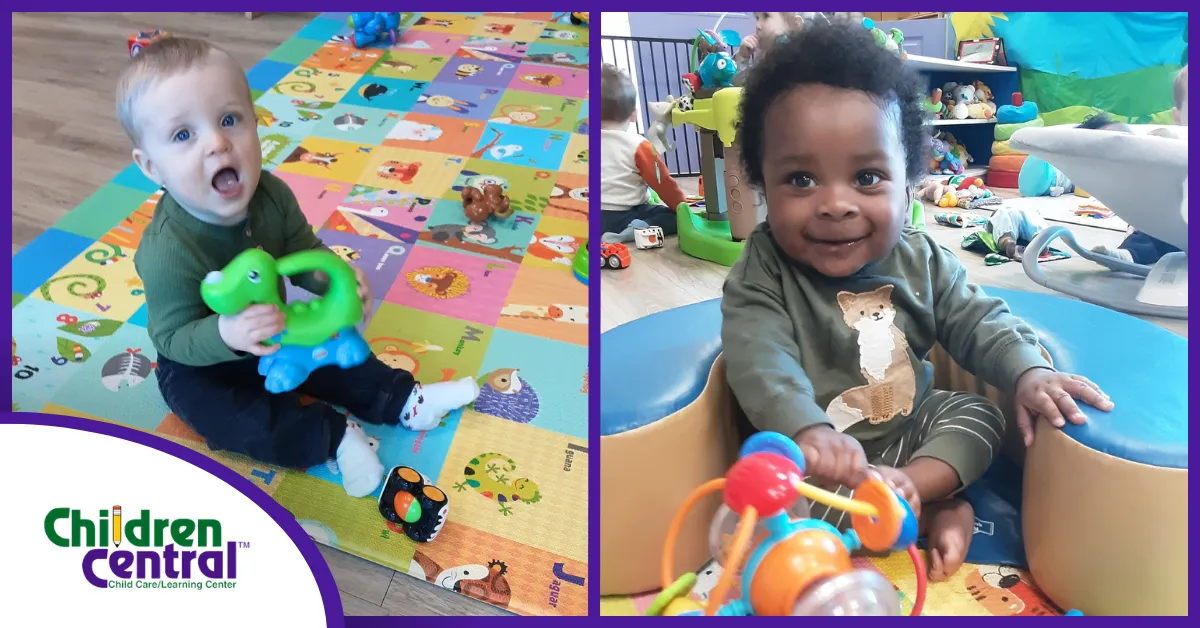
Child-teacher ratios in daycare refer to the number of children assigned to one caregiver or teacher at a given time. In simple terms, this ratio helps show how much individual attention, supervision, and support each child is likely to receive throughout the day. It is one of the clearest indicators parents can use when evaluating the quality of a childcare setting.
Why Ratios Matter
When ratios are appropriate for a child’s age and stage of development, teachers are better able to consistently and with care respond to daily needs. This can support:
- closer supervision during play, meals, and transitions
- more responsive care for infants and toddlers
- stronger support for learning, routines, and social development
- better communication between teachers and families
Younger children usually need lower ratios because they require more hands-on care, guidance, and monitoring. Older preschoolers may be able to function well in slightly larger groups, but they still benefit from attentive and engaged teachers.
Ratios vs. Group Size
It is also important to understand that child-teacher ratios are not the same as group size. A ratio tells you how many children are assigned to each adult, while group size refers to the total number of children in one classroom or learning environment.
For example:
- a classroom may meet the required ratio but still feel busy if the total group is large
- a smaller group setting may feel calmer and allow for more meaningful interaction
Both factors work together to shape your child’s daily experience.
What Parents Should Keep in Mind
Minimum state standards are important, but they are only the starting point. Parents should also consider how a daycare manages supervision, transitions, learning activities, and personal attention throughout the day. A healthy child-teacher ratio can help create a safe, supportive, and organized environment where children feel seen, guided, and encouraged to grow.
How Daycare Staff Ratios Are Measured by Age Group
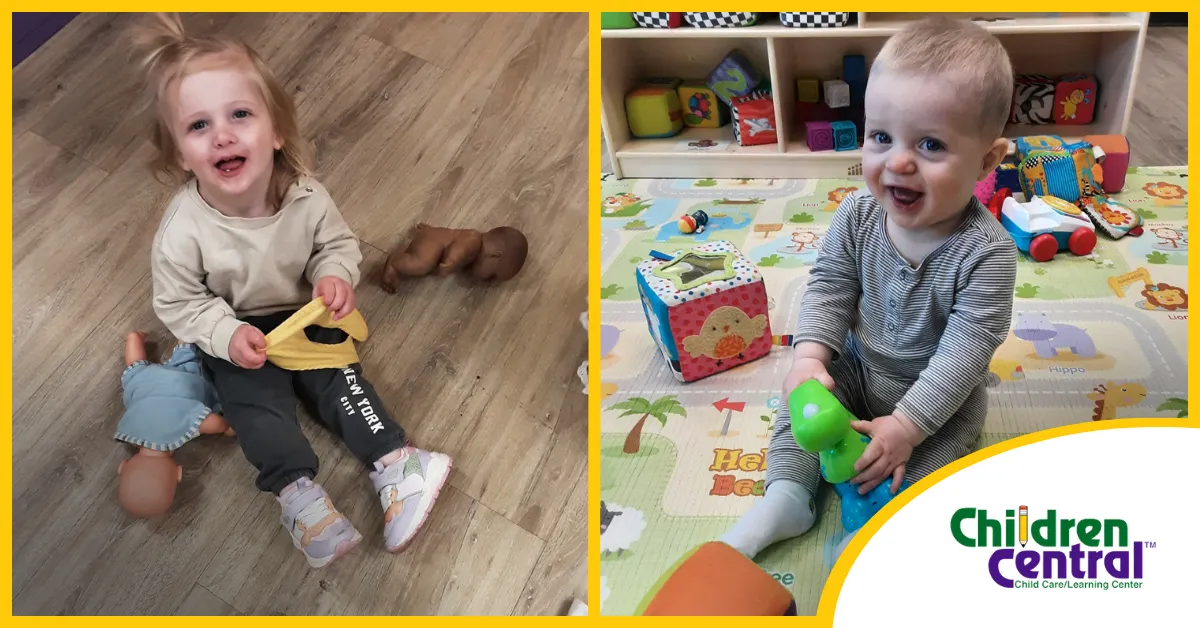
Daycare staff ratios are typically measured by comparing the number of children in a classroom to the number of teachers or caregivers responsible for them. State licensing agencies usually set these ratios, and they often change based on a child’s age. The younger the child, the more direct care and supervision they need, which is why infant and toddler classrooms usually have lower ratios than preschool classrooms.
Why Age Makes a Difference
Each stage of early childhood comes with different developmental needs. Ratios are designed to reflect the amount of hands-on attention children require throughout the day.
In most daycare settings:
- Infants need frequent feeding, diapering, soothing, and close observation.
- Toddlers need active supervision as they explore, move, and build independence.
Preschoolers may be more independent, but they still need guidance, structure, and support during learning and social interactions.
Because of these differences, one teacher may be able to support fewer infants than preschool-aged children safely.
What Ratios May Look Like
While exact requirements vary by state, age-based ratios often follow a similar pattern:
- lower ratios for infants
- slightly larger ratios for toddlers
- higher ratios for preschool and pre-kindergarten children
This structure helps ensure that care remains appropriate for each age group rather than applying the same standard across classrooms.
What Parents Should Watch For
It is helpful to remember that ratios should match not only the children’s ages but also the flow of the day. Transitions, outdoor play, meals, and rest time all require thoughtful supervision. Parents can ask whether the center maintains strong ratios at all times, including early drop-off and late pick-up periods.
Understanding how daycare staff ratios are measured by age group can help families better evaluate whether a program is prepared to support children with the attention, safety, and care they need each day.
The Importance of Low Child-Teacher Ratios for Early Development
The importance of low child-teacher ratios becomes especially clear during the early years, when children are building the foundation for learning, communication, and social growth. In a daycare setting, lower ratios often allow teachers to spend more meaningful time with each child, rather than focusing only on managing the group. This creates more opportunities for children to feel supported, understood, and encouraged throughout the day.
More Individualized Support
Young children do not all learn, communicate, or adjust at the same pace. With fewer children assigned to each teacher, caregivers can better recognize individual needs and respond with care. This may include:
- supporting language development through more one-on-one conversation
- helping children manage emotions during transitions or frustration
- noticing learning styles, interests, and developmental progress
- providing gentle guidance during social interactions with peers
This kind of responsive care can make a meaningful difference in a child’s confidence and comfort.
Stronger Relationships and Engagement
Low ratios also help create stronger connections between children and teachers. When educators have the time to interact with children calmly and intentionally, children are more likely to feel secure and engaged in their environment. That sense of trust supports:
- healthy attachment and emotional security
- better participation in activities and routines
- increased confidence when exploring and learning
- more positive behavior and classroom cooperation
Children often thrive when they know a trusted adult is available to guide and reassure them.
A Better Environment for Growth
Every day experiences shape early development. From play and conversation to routines and problem-solving, children benefit from environments where teachers can be present, attentive, and encouraging. Low child-teacher ratios support that environment by giving educators more capacity to teach, observe, and respond with intention.
For parents, this is an important quality marker. A daycare that prioritizes lower ratios is often better positioned to support not only supervision, but also the emotional, social, and developmental growth that matters most in early childhood.
The Impact of Ratios on Child Safety and Daily Attention
Child-teacher ratios shape how much direct attention children receive and how effectively teachers can supervise the classroom throughout the day. In daycare, supervision is not limited to simply watching children. It also includes guiding behavior, supporting routines, noticing emotional needs, and responding quickly when help is needed. When ratios are well managed, teachers are better able to stay present, engaged, and attentive in ways that support both safety and development.
Daily Attention in Key Moments
Children need support throughout the day, not just during structured learning time. Lower ratios can make it easier for teachers to give thoughtful attention during important moments, such as:
- arrivals and departures
- meals and snacks
- diapering or bathroom routines
- transitions between activities
- outdoor play and rest time
These are often the times when children need extra guidance, reassurance, or hands-on help. With fewer children to manage at once, teachers can respond more calmly and consistently.
Supervision Beyond Simple Monitoring
Strong supervision means being aware of the full classroom environment while still noticing individual needs. Appropriate ratios help teachers:
- spot unsafe behavior more quickly
- reduce missed cues when a child is upset or overwhelmed
- support positive peer interactions
- maintain smoother classroom routines
- provide faster responses during minor incidents or conflicts
This type of supervision helps create a setting where children feel secure and supported rather than overlooked.
What This Means for Families
For parents, child-teacher ratios can offer insight into what a child’s everyday experience may look like. A classroom with balanced ratios is often better equipped to provide meaningful attention while maintaining a safe and organized environment. It can also allow teachers to spend less time managing overcrowding and more time engaging with children in productive, caring ways.
When daily attention and supervision are strong, children often benefit from smoother routines, more consistent support, and a daycare experience that feels both nurturing and well-managed.
Conclusion
Understanding daycare child-teacher ratios can help parents make a more informed, confident decision when choosing care for their child. These ratios influence far more than classroom numbers. They can affect supervision, daily attention, emotional support, and the overall learning environment that children experience each day. While state requirements provide an important baseline, families often benefit from looking more closely at how a daycare applies those standards in real classroom settings. A program that values appropriate ratios is often better prepared to provide the consistency, safety, and individualized care that help young children grow and thrive.
To learn more about Children Central or schedule a visit, contact the team today at (215) 398-1076 or visit https://childrencentral.net/contact-children-central/.